Patient information
Read more about the most common skin conditions, their symptoms, how they are diagnosed and how they are treated today.
What is troubling you?
Choose the symptom that concerns you and we will show the articles that may help. This information is introductory and does not replace a consultation with a doctor.
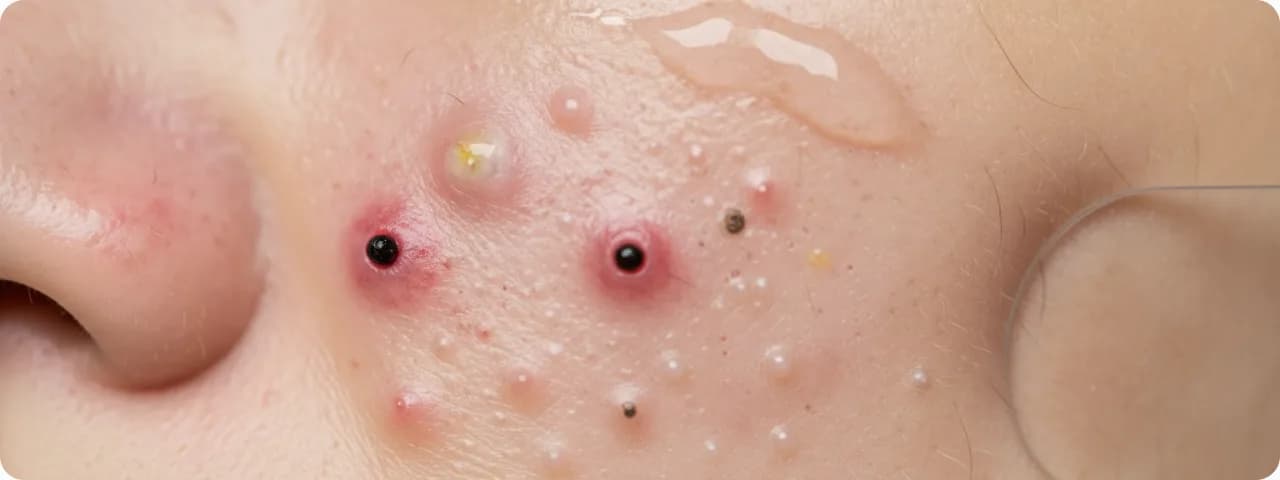
Acne: causes, symptoms and treatment
Acne (acne vulgaris) is a chronic inflammatory skin disease caused by excessive sebaceous gland activity and blockage of the hair follicles.
 Skin conditions
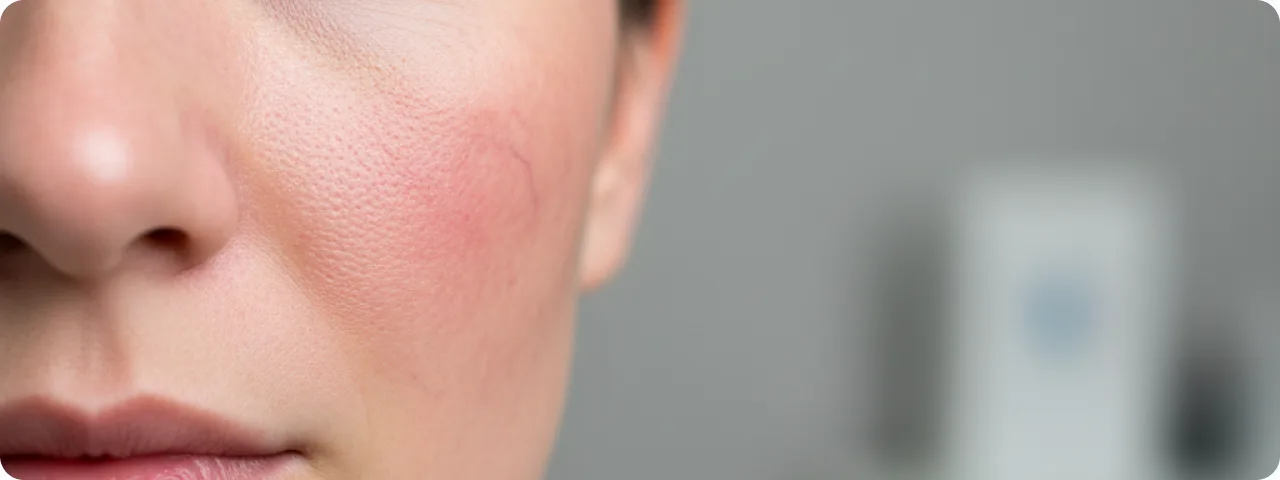
Rosacea: diagnosis and current treatment
Rosacea is a chronic inflammatory disease of the facial skin, characterised by persistent redness, dilated vessels (telangiectasias), papules and
 Skin conditions
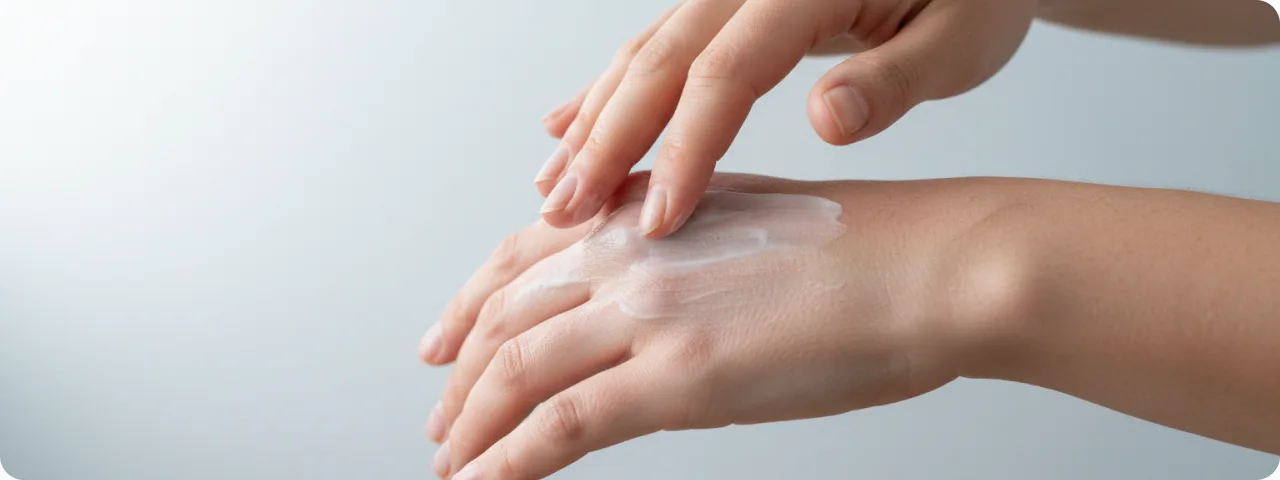
Atopic dermatitis: living with chronic itch
Atopic dermatitis (AD) is a chronic relapsing inflammatory skin disease accompanied by intense itching and dryness.
 Nails
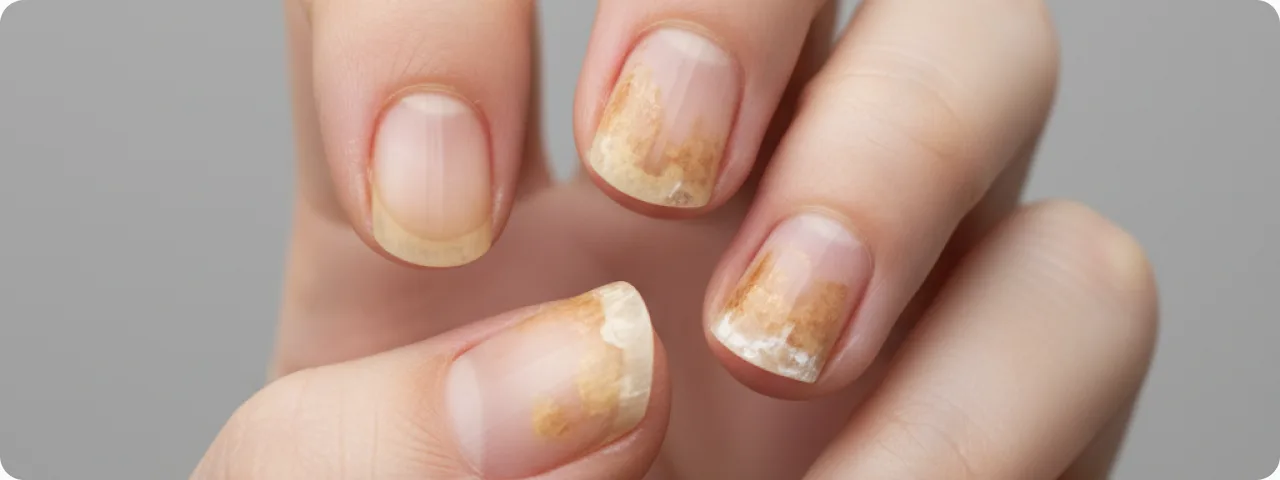
NailsNail fungus: treating and preventing onychomycosis
Onychomycosis is a fungal infection of the nail plate caused by dermatophytes (70–90% of cases), yeasts of the genus Candida (10–20%) or
 Nails
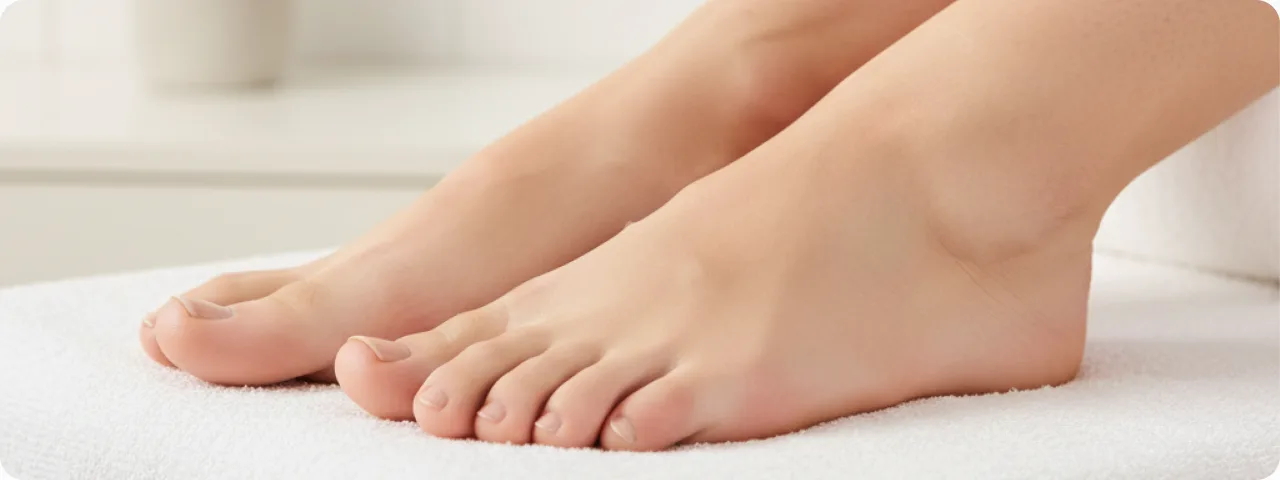
NailsAthlete's foot: causes, symptoms and effective treatment
Tinea pedis (athlete's foot) is a fungal infection of the skin of the feet, caused mainly by dermatophytes (Trichophyton rubrum, T.
 Skin growths
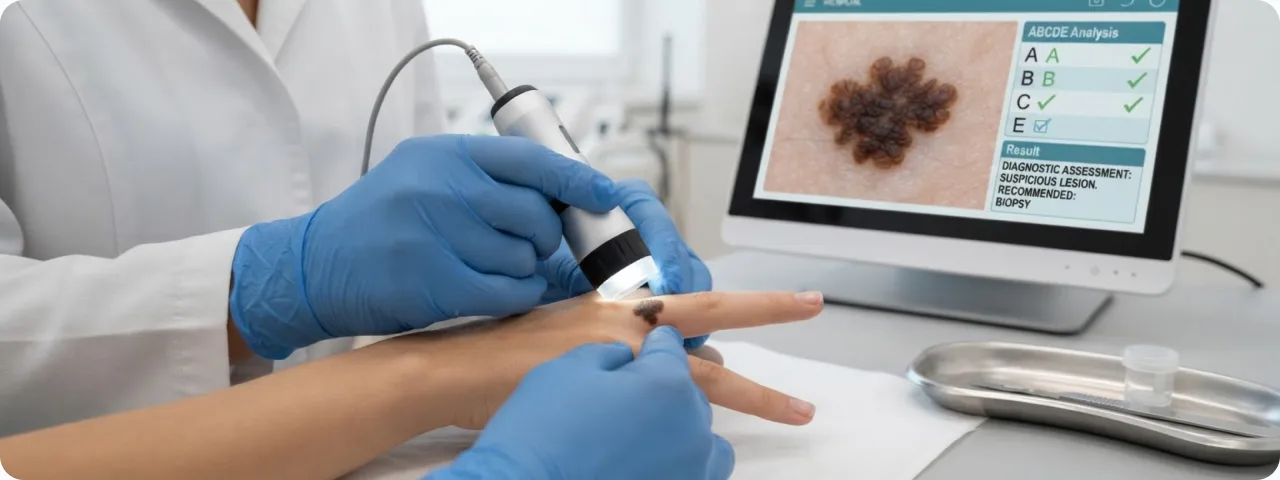
Melanoma: when to see a doctor
Melanoma is a malignant tumour of the skin that develops from melanocytes — the cells that produce the pigment melanin.
 Skin growths
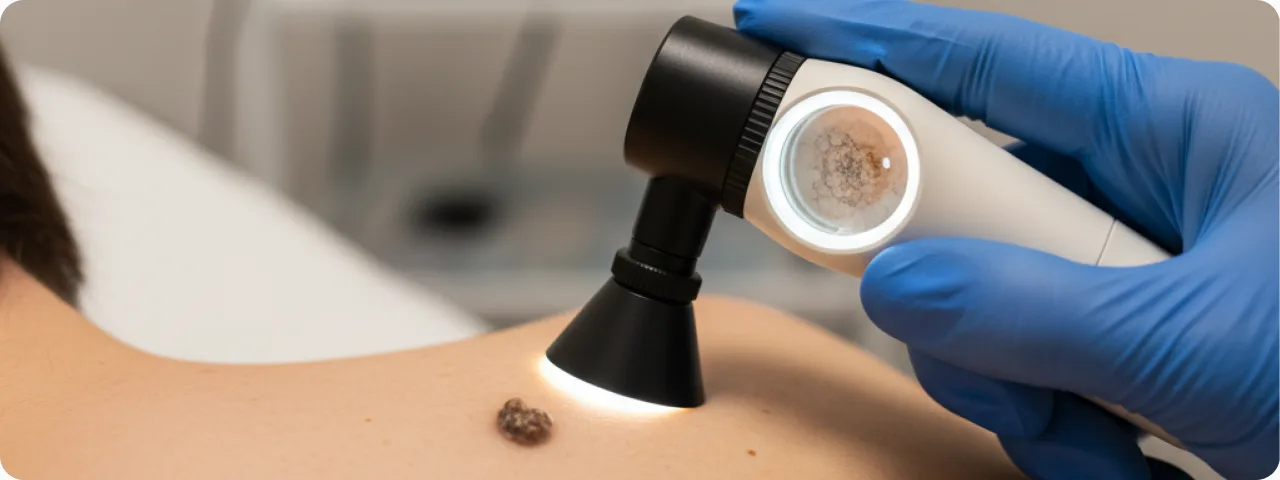
Melanoma: how to tell a dangerous mole apart
Melanoma is a malignant tumour of the skin that develops from pigment cells (melanocytes).
 Venereology
Syphilis: early signs and modern methods of diagnosis
Syphilis is a chronic infectious disease caused by the bacterium Treponema pallidum and transmitted mainly through sexual contact.
 Hair
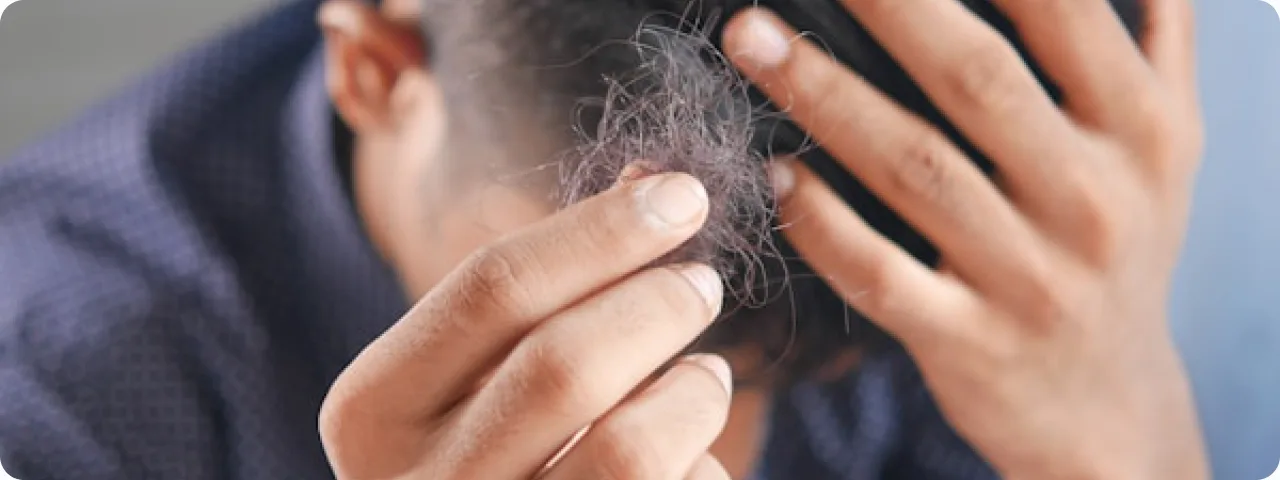
HairAlopecia: types, causes and treatment of hair loss
Alopecia is pathological hair loss that can lead to partial or complete baldness.
 Hair
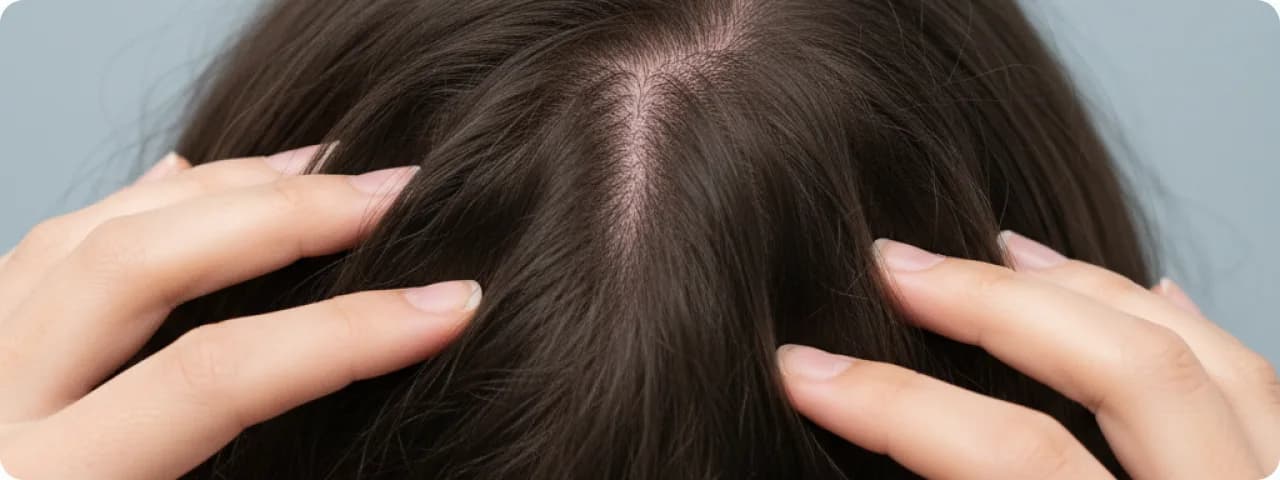
HairScalp care: a dermatologist's complete guide
The scalp is the foundation of healthy hair. The quality, density and rate of hair growth all depend on its condition.
 Skin conditions
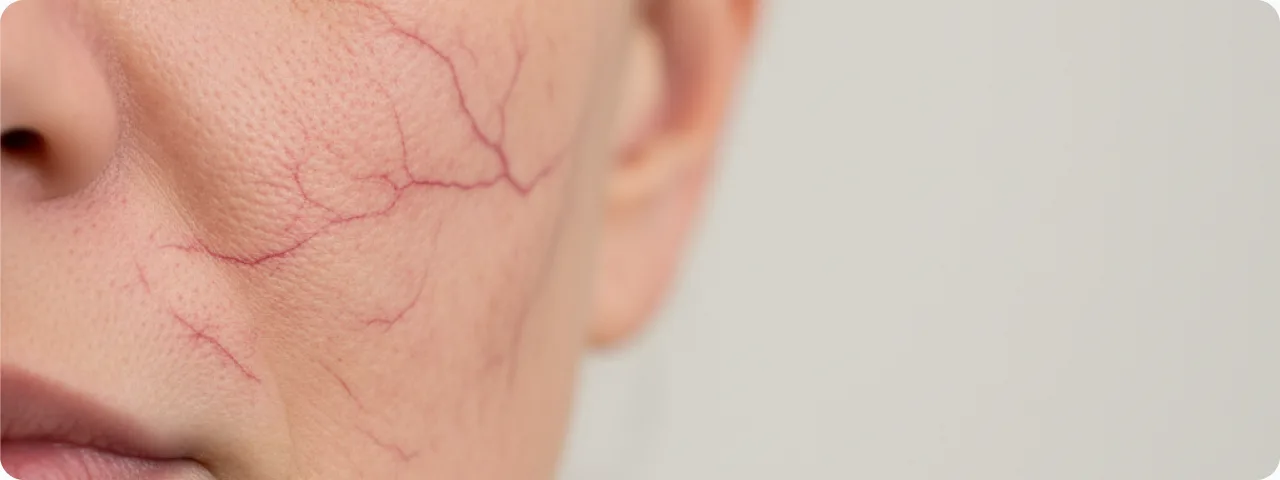
Couperose: why it appears and how it is treated
Couperose is a chronic skin condition characterised by persistent dilation of the small blood vessels (capillaries, arterioles and venules) in the superficial layers
 Hair
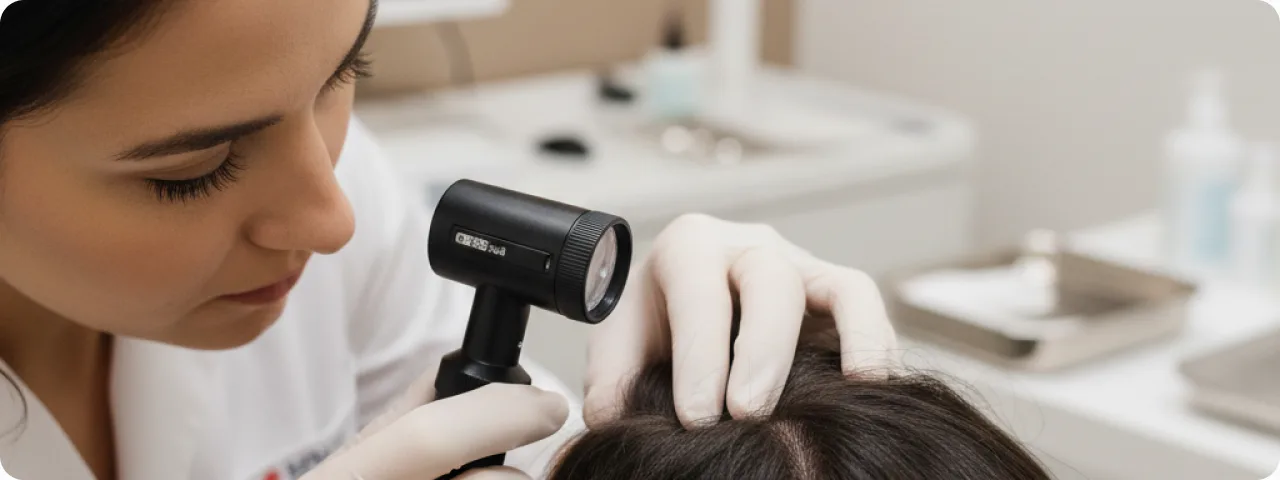
HairDandruff or fungus: how to tell them apart and what to do
Dandruff and a fungal infection of the scalp are two conditions that are often confused, because the symptoms are similar: flaking, itching, discomfort.
 Hair
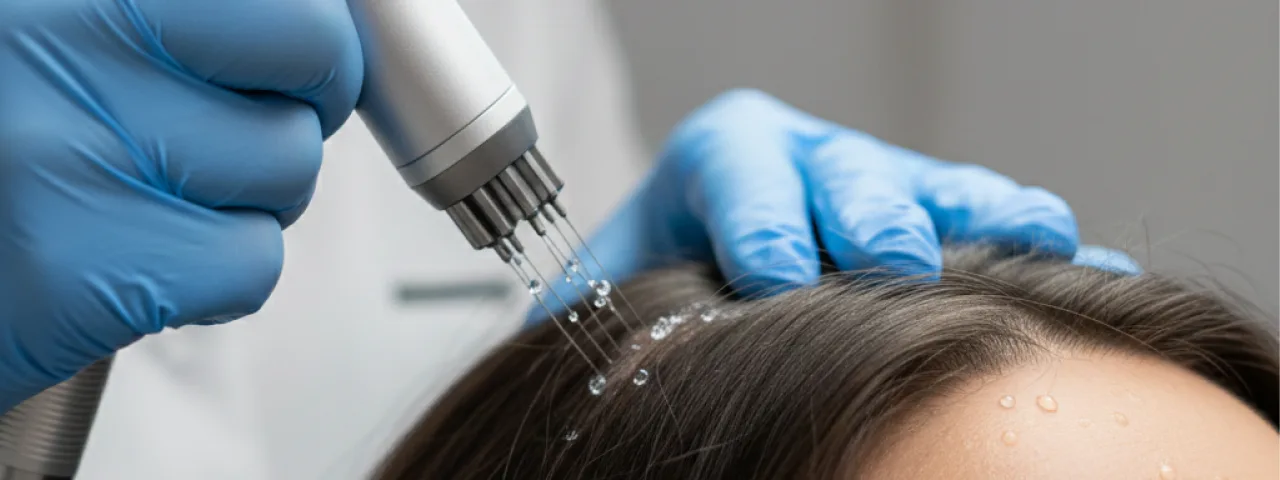
HairMesotherapy for hair: vitamin cocktails and results
Mesotherapy is an injection technique in which specialised treatment cocktails are delivered directly into the skin of the scalp, to a depth of 1.5–4 mm.
 Hair
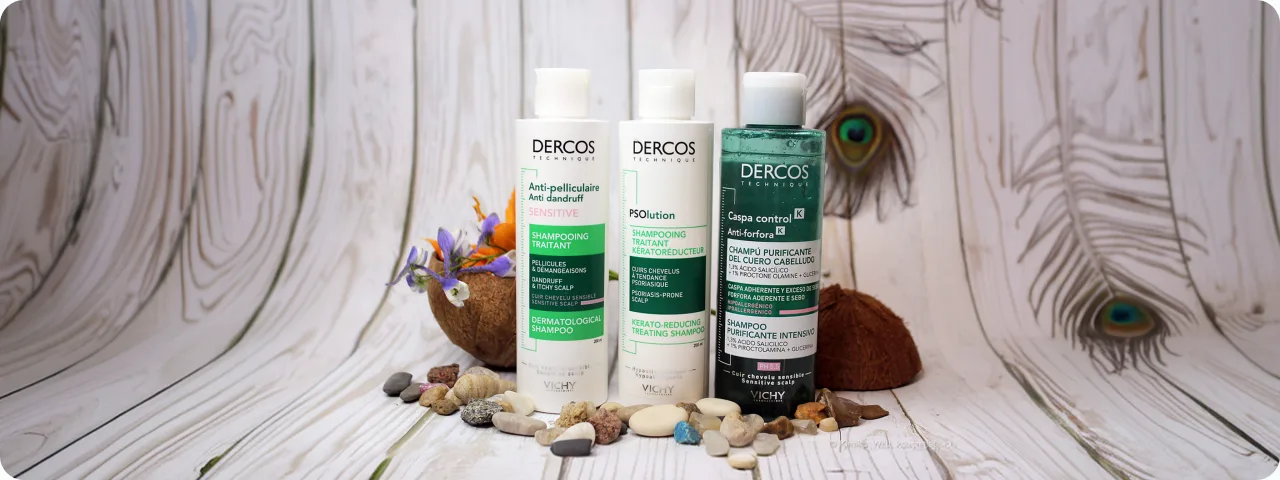
HairAntifungal shampoos: how to choose and use them
Fungal infections of the scalp are a common problem, presenting with persistent flaking, itching, redness and sometimes hair loss.
 Hair
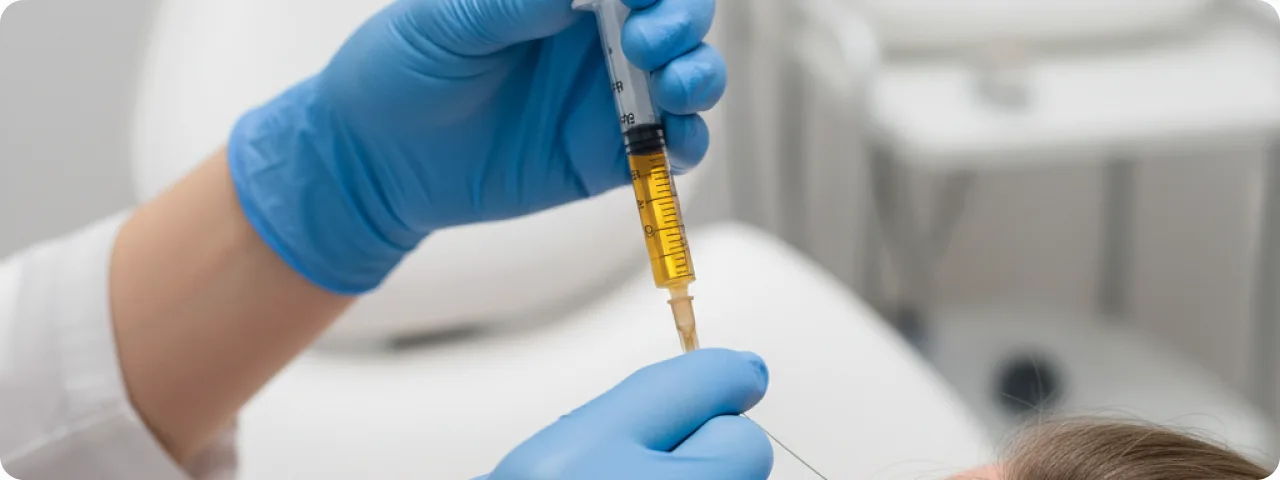
HairPRP therapy for restoring hair growth
PRP therapy (Platelet-Rich Plasma) is an injection technique in which the patient's own blood is centrifuged to obtain plasma with a high concentration
 Hair
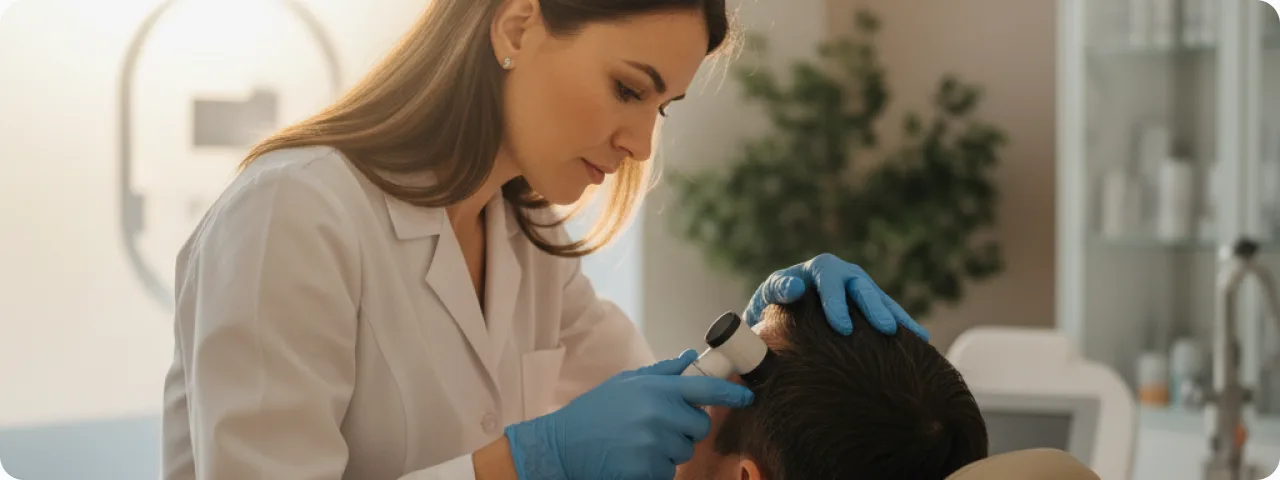
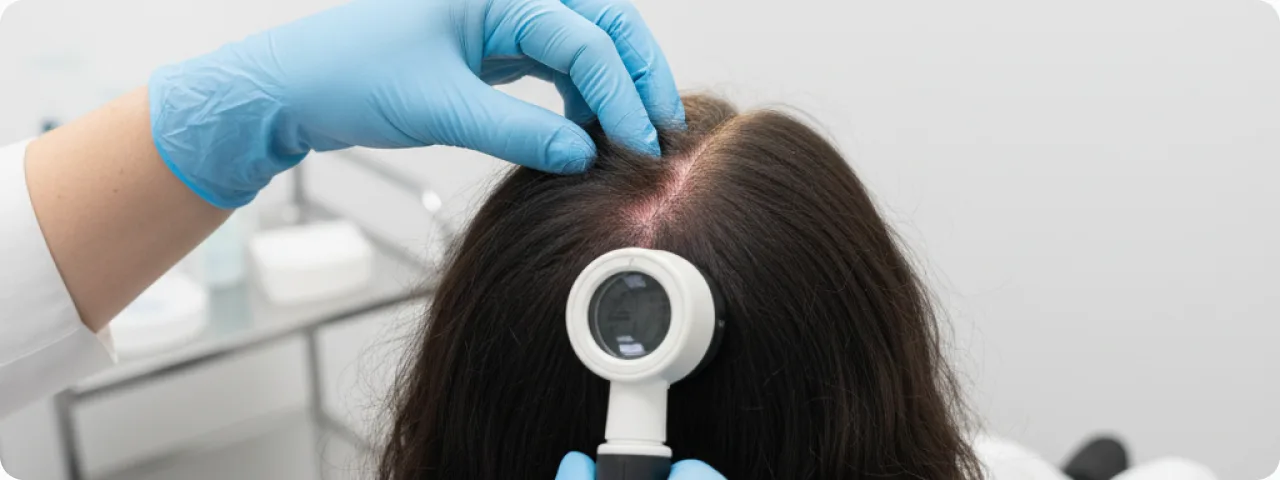
HairScalp psoriasis: how it differs from dermatitis
Scalp psoriasis is a chronic autoimmune disease in which an accelerated cycle of skin cell renewal leads to the formation of thick
 Hair
HairSeborrhoeic dermatitis of the scalp: causes and treatment
Seborrhoeic dermatitis is a chronic inflammatory skin disease affecting areas where the sebaceous glands are most active.
 Venereology
Syphilis: modern diagnosis and the stages of the disease
Syphilis is a chronic systemic infectious disease caused by the spirochaete Treponema pallidum.
 Hair
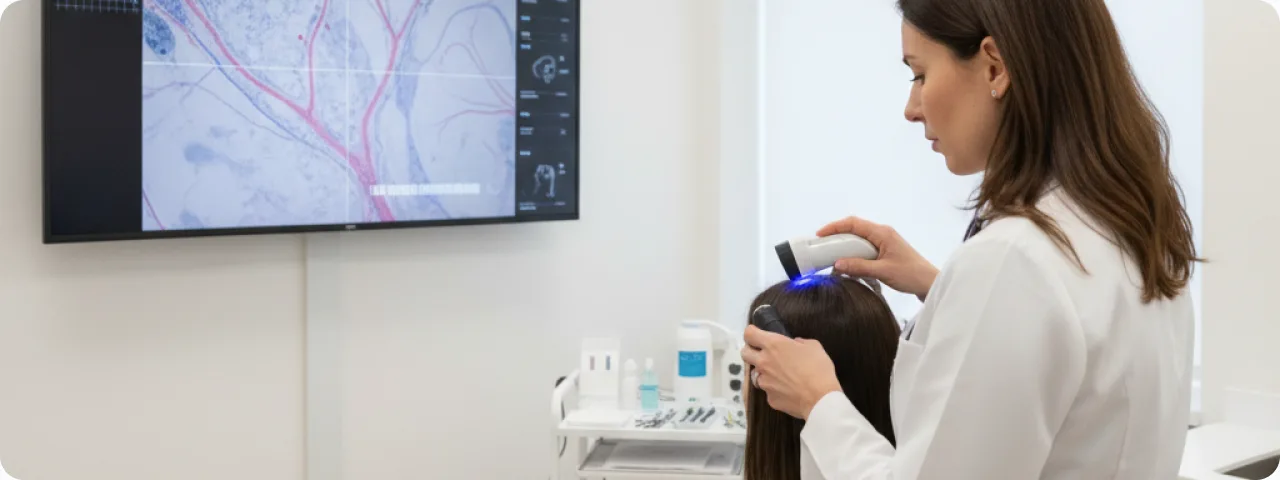
HairTrichoscopy: modern diagnosis of hair disorders
Trichoscopy is a non-invasive method of assessing the hair and scalp using a digital dermatoscope at 20–200 times magnification.
 Venereology
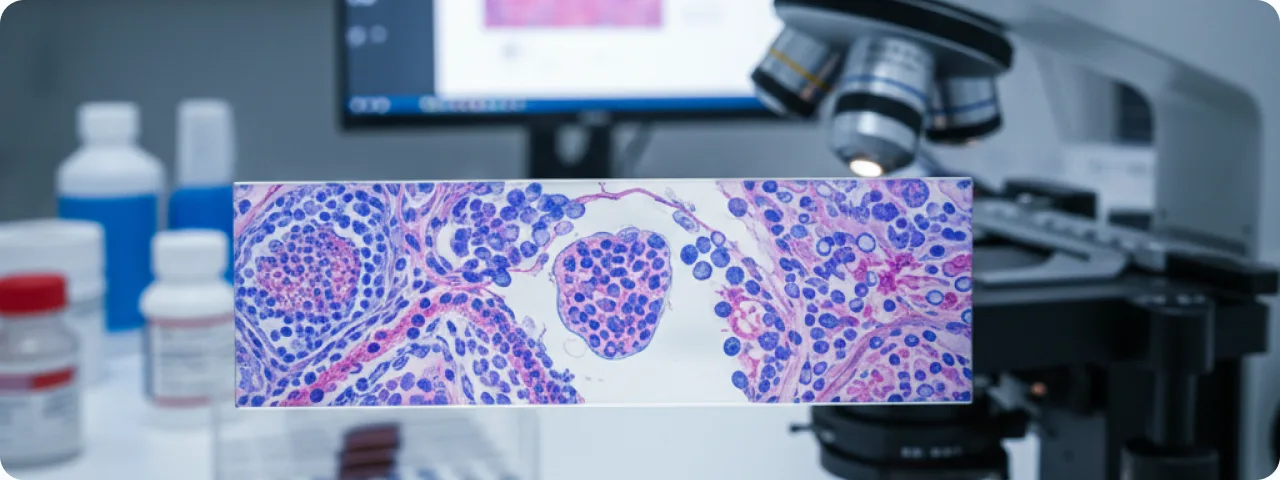
HPV infection: vaccination and prevention of cervical cancer
Human papillomavirus (HPV) is the most common sexually transmitted infection: more than 80% of sexually active people are infected with at least one type of HPV
 Skin growths
Basal cell carcinoma: the most common skin cancer, and a curable one
Basal cell carcinoma (basalioma) is the most common malignant tumour of the skin, arising from the basal cells
 Skin growths
Dermatoscopy: how a doctor assesses a skin lesion
Dermatoscopy (dermoscopy, epiluminescence microscopy) is a non-invasive method of examining the skin that allows the doctor to see structures
 Nails
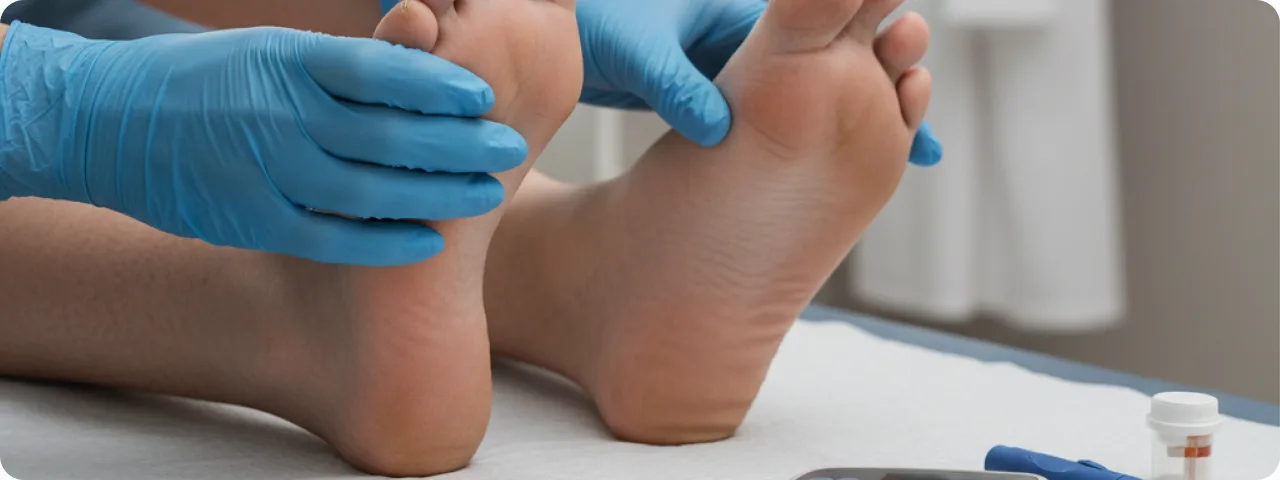
NailsThe diabetic foot and fungus: why onychomycosis must be treated in diabetes
Onychomycosis is a fungal infection of the nail plate that occurs in 26–35% of patients with diabetes, three times the rate in the general
 Venereology
Gonorrhoea: symptoms, diagnosis and effective treatment
Gonorrhoea (gonococcal infection) is an infectious disease transmitted mainly through sexual contact and caused by the Gram-negative diplococcus Neisseria
 Skin growths
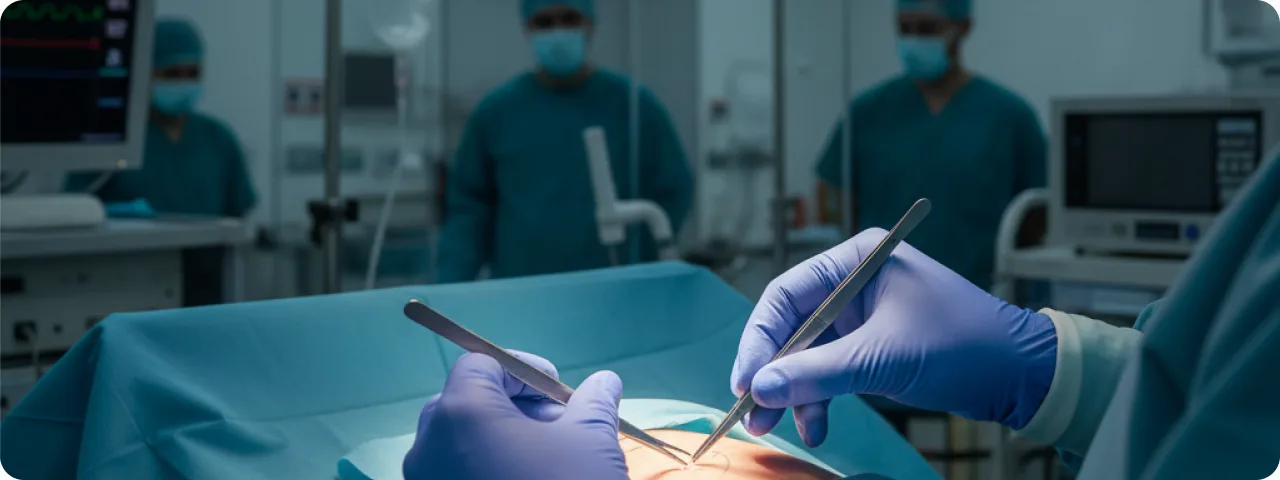
Mohs surgery: the gold standard for removing skin cancer
Mohs surgery (Mohs micrographic surgery) is a specialised surgical technique for removing skin cancer that combines staged excision of the tumour with
 Venereology
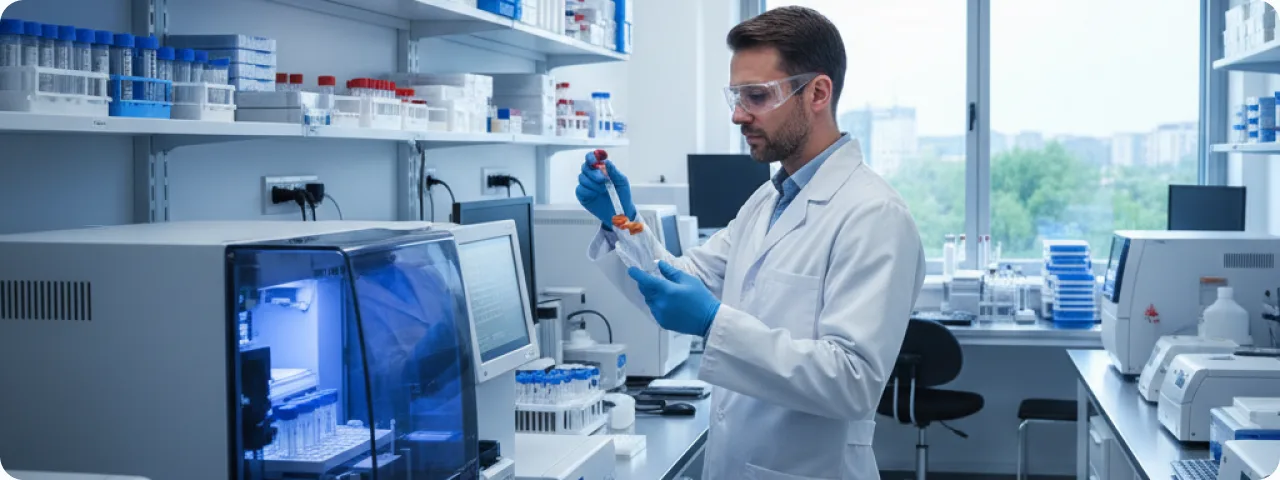
Chlamydia: why a symptomless infection is the most dangerous
Chlamydia is the most common bacterial sexually transmitted infection, caused by Chlamydia trachomatis.
 Nails
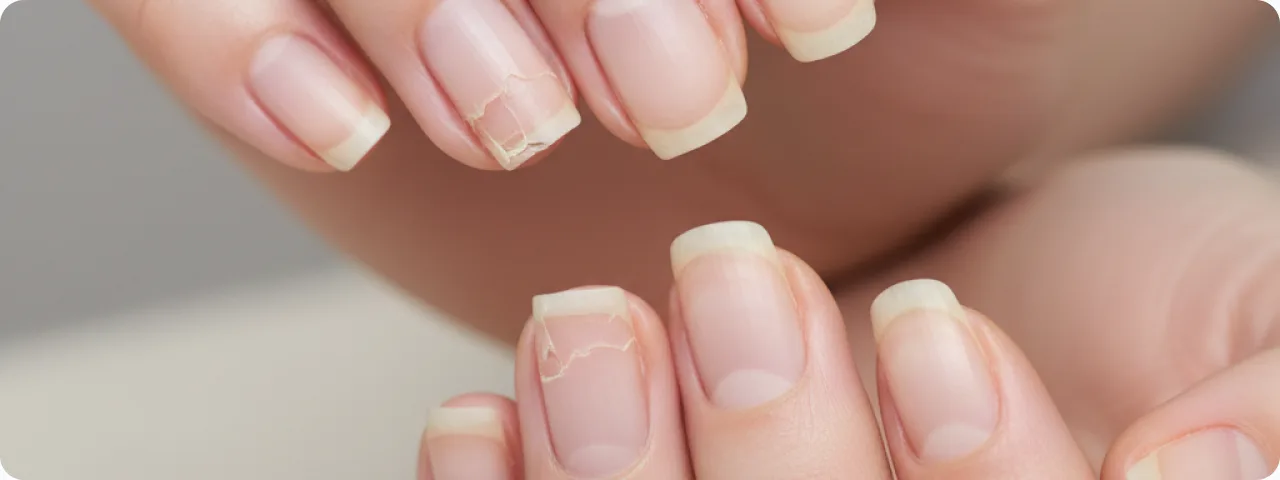
NailsBrittle nails: why they break and how to strengthen them
Brittle nails (onychoschizia and onychorrhexis) are a common problem affecting up to 20% of the population, with women affected twice as often as men.
 Nails
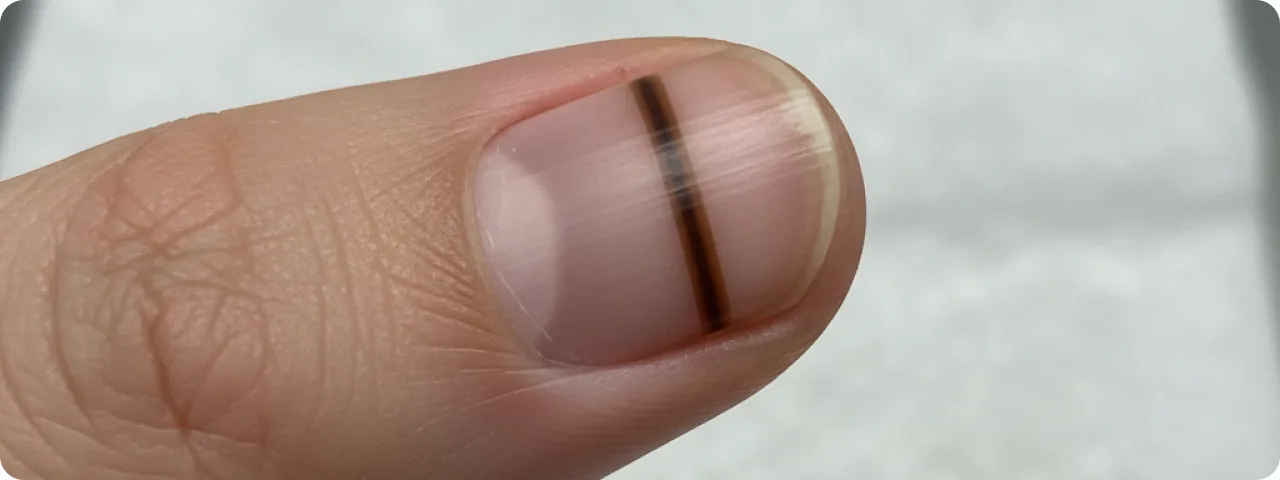
NailsNail melanoma: recognising a dangerous streak in time
Subungual melanoma is a malignant tumour that develops from the melanocytes of the nail matrix.
 Nails
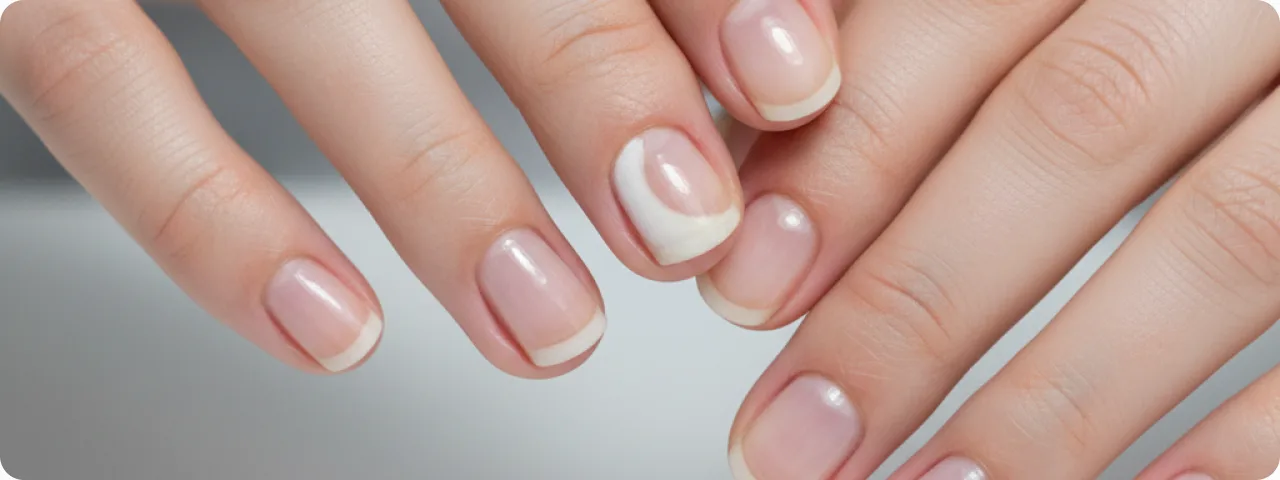
NailsOnycholysis: why the nail separates and how it is restored
Onycholysis is separation of the nail plate from the nail bed, usually beginning at the free edge of the nail and gradually advancing towards the matrix.
 Skin growths
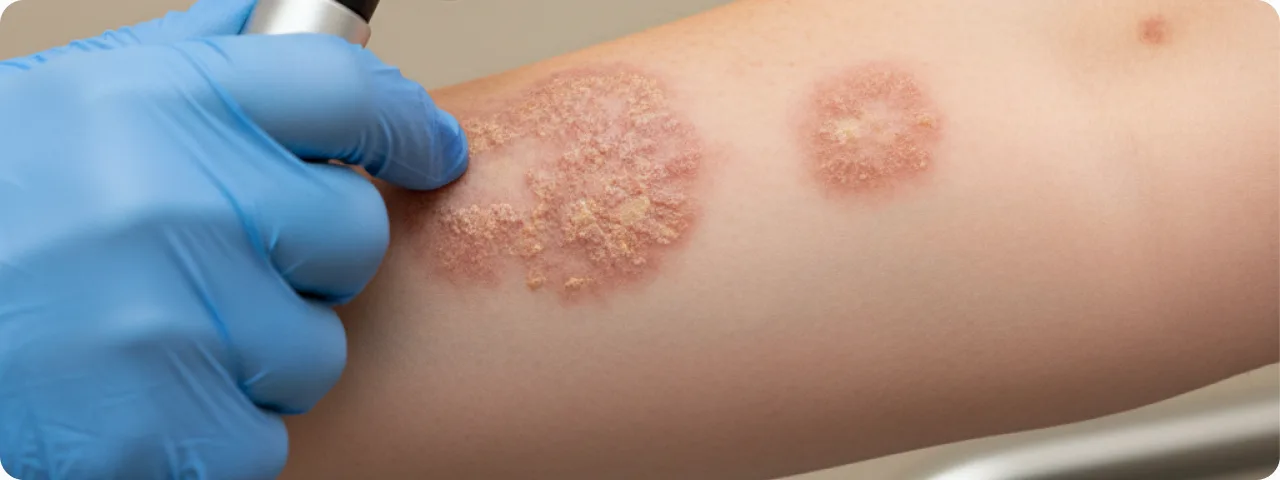
Pre-cancerous skin conditions: what you need to know
Pre-cancerous skin conditions are pathological changes in the tissue that carry an increased risk of transforming into a malignant tumour.
 Nails
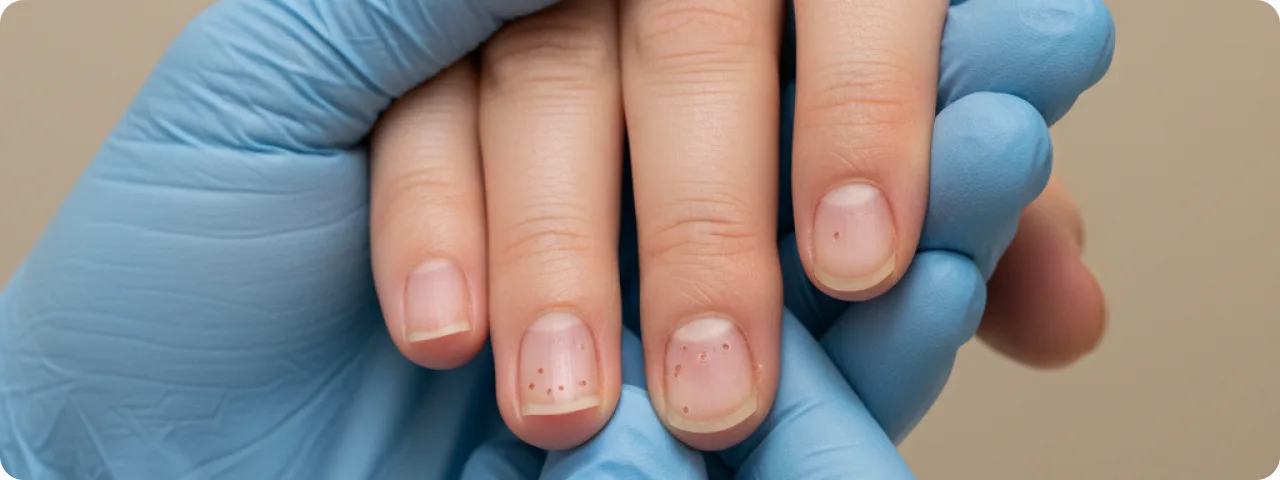
NailsNail psoriasis: telling it from fungus, and treating it
Nail psoriasis (psoriatic onychodystrophy) is a chronic autoimmune disease of the nail plates, occurring in 50–80% of patients with skin psoriasis and in
 Skin growths
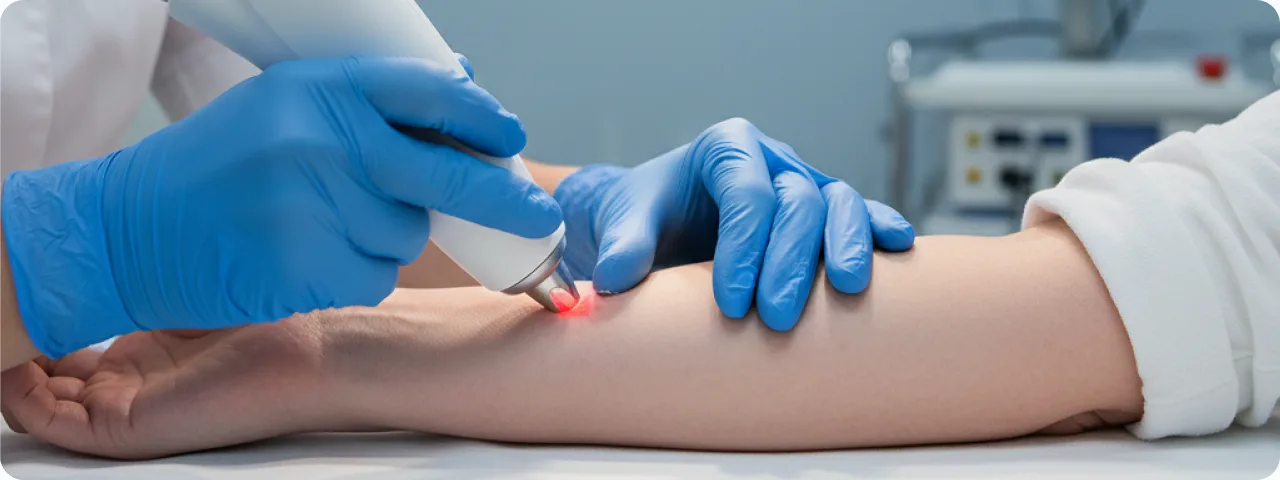
Mole removal: indications and the safety of the procedure
Moles (naevi) are benign skin lesions made up of a collection of melanocytes.
 Nails
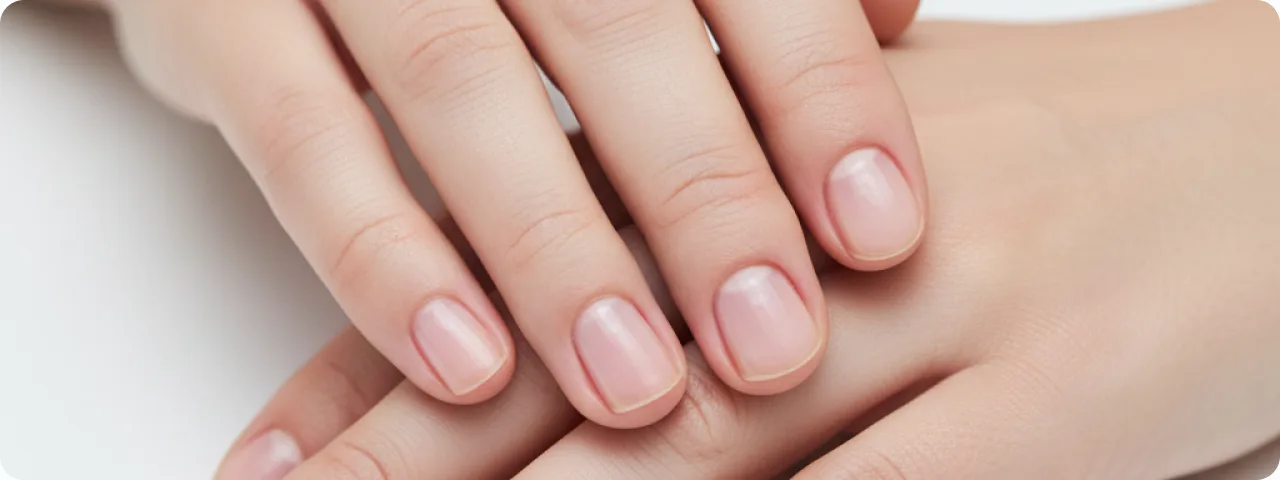
NailsNail changes as a signal from the body: what your nails say about your health
The nail plate is a unique indicator of the state of the body, reflecting the metabolic processes of the past 6–9 months.
 Skin growths
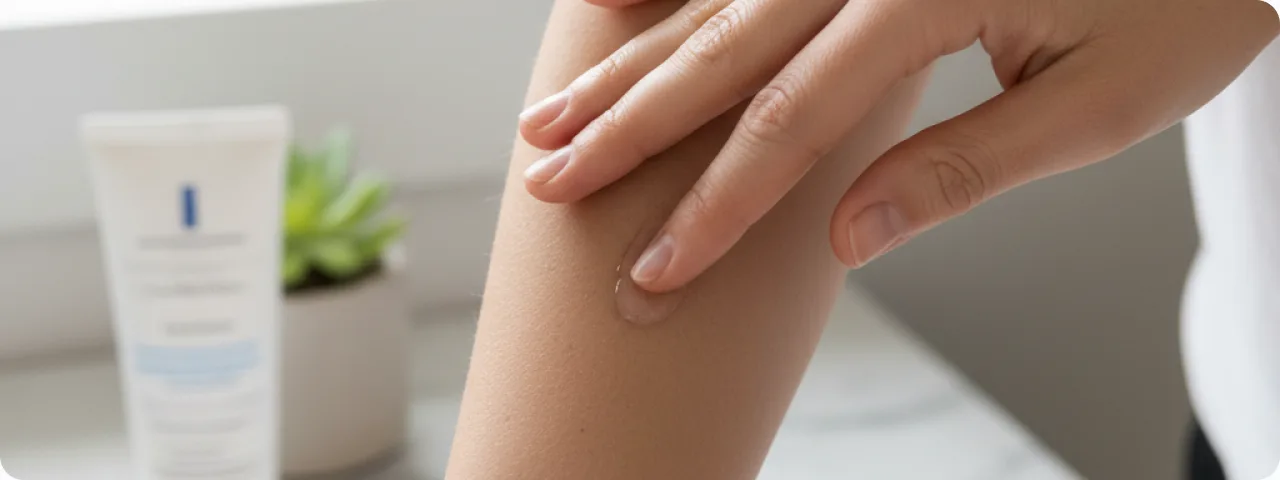
Caring for the skin after a lesion is removed
Removing a skin lesion — a mole, papilloma, keratosis, wart or other growth — is controlled injury, after which the body starts its natural process
 Venereology
Genital herpes: treatment and preventing recurrence
Genital herpes is a chronic viral infection caused by herpes simplex virus (HSV) type 1 or type 2 and transmitted mainly through sexual contact,
 Venereology
HIV and STIs: how they affect each other, and combined prevention
HIV infection is a chronic disease caused by the human immunodeficiency virus, which attacks the cells of the immune system (CD4+ T lymphocytes), progressively reducing
 Skin conditions
Sensitive skin: how to care for it properly
Sensitive skin is a state of heightened reactivity in which the skin responds to stimuli that do not usually cause any discomfort.
 Skin conditions
Eczema in children: what parents need to know
Eczema (atopic dermatitis) is a chronic inflammatory skin disease that most often begins in early childhood.
 Skin conditions
Food allergens and eczema: what to exclude from the diet
Atopic dermatitis (eczema) is a chronic inflammatory skin disease affecting up to 20% of children and 3–5% of adults.
 Skin conditions
Contact dermatitis: allergy or irritation?
Contact dermatitis (CD) is an inflammatory skin disease caused by direct contact with an irritant or an allergenic substance.
 Skin conditions
Sun protection for sensitive skin: a complete guide
Sensitive skin is characterised by an impaired barrier function: the lipid layer of the epidermis is thinner than in normal skin, and transepidermal water loss (TEWL)
 Skin conditions
Recovering from sunburn: a step-by-step guide
Sunburn is an acute inflammatory injury of the skin caused by excessive exposure to ultraviolet radiation (UVA and UVB).
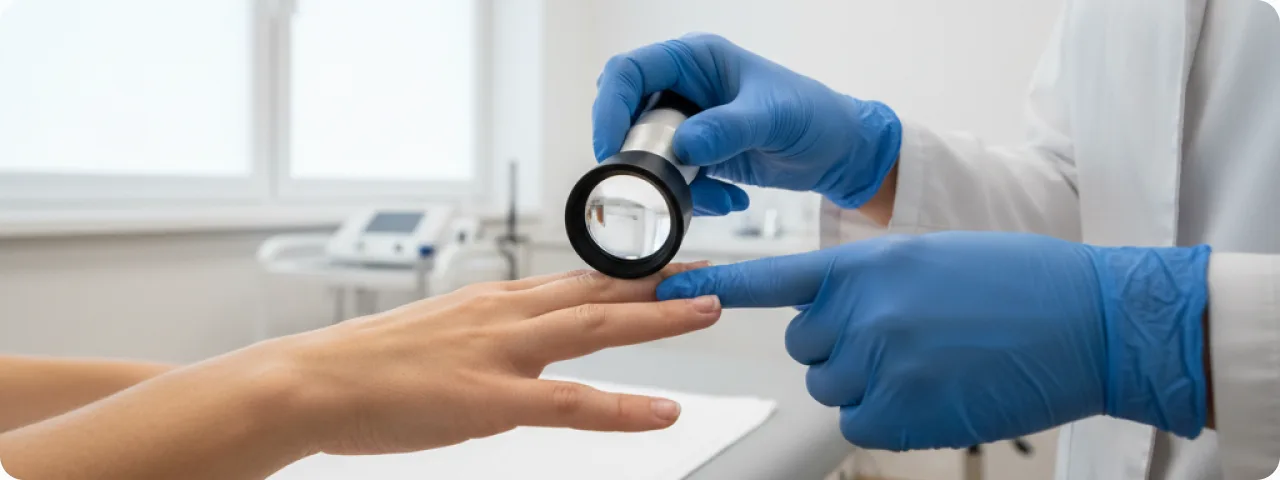 Nails
NailsNail fungus: treatment and prevention
Onychomycosis (nail fungus) is an infection of the nail plates caused by dermatophytes (Trichophyton rubrum, T.
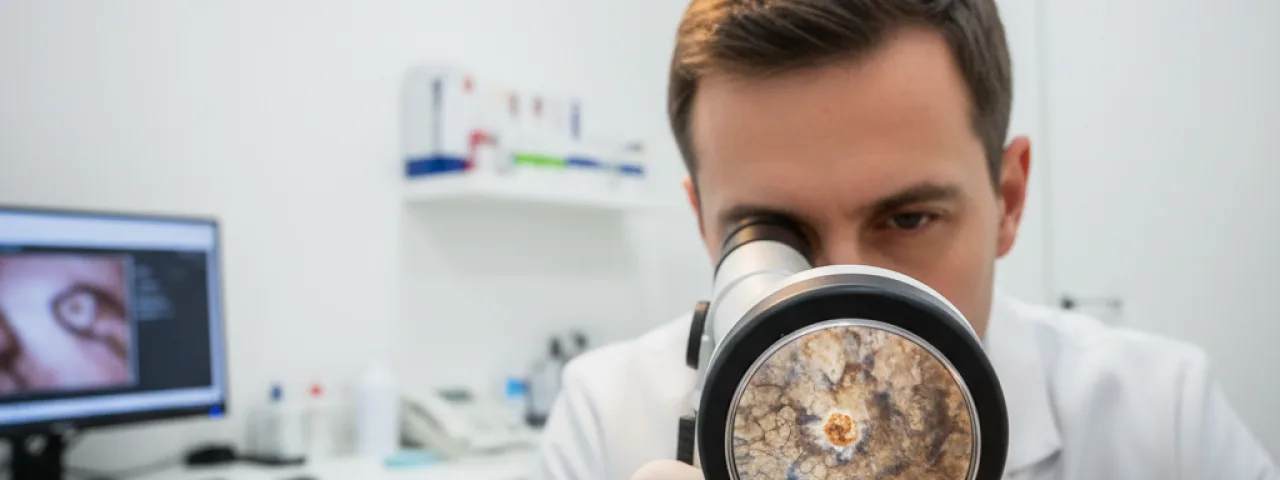 Skin growths
Melanoma: telling a dangerous mole from an ordinary one
Melanoma is the most aggressive form of skin cancer, arising from the pigment cells known as melanocytes.
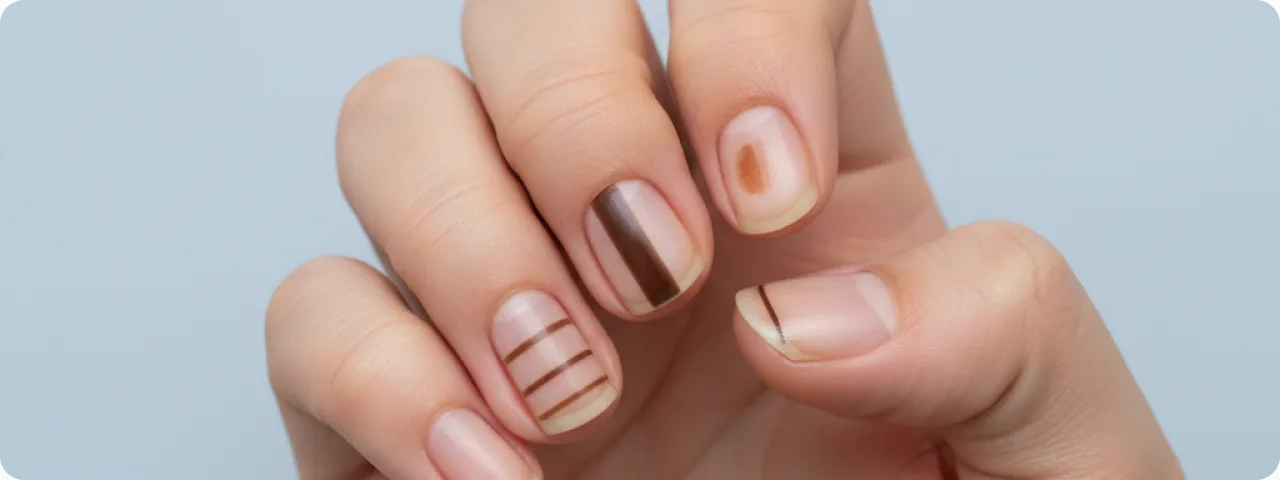 Nails
NailsPigmented nail lesions: benign versus malignant
Longitudinal melanonychia is a pigmented band running from the nail matrix to the free edge of the nail.
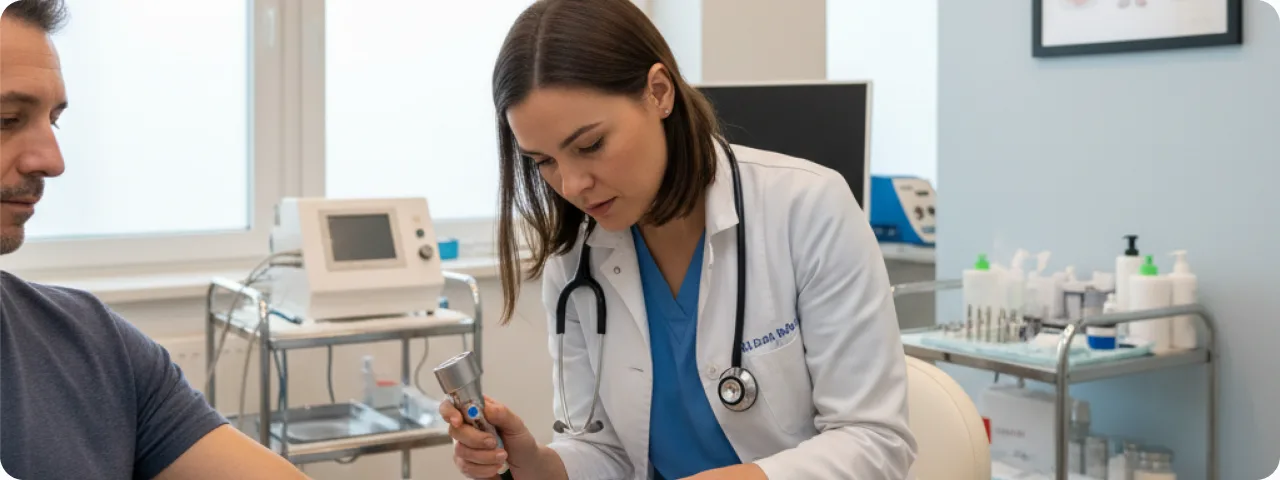 Skin growths
Benign skin tumours: when removal is needed
Benign skin tumours are growths that arise from excessive multiplication of the cells of the various layers of the skin, but have no capacity for invasive
9 of 46 articles
Did not find the answer to your question?
Every case is individual. If you have noticed changes in your skin, or have symptoms that concern you, book a consultation.