Recovering from sunburn: a step-by-step guide
What happens to the skin in sunburn?
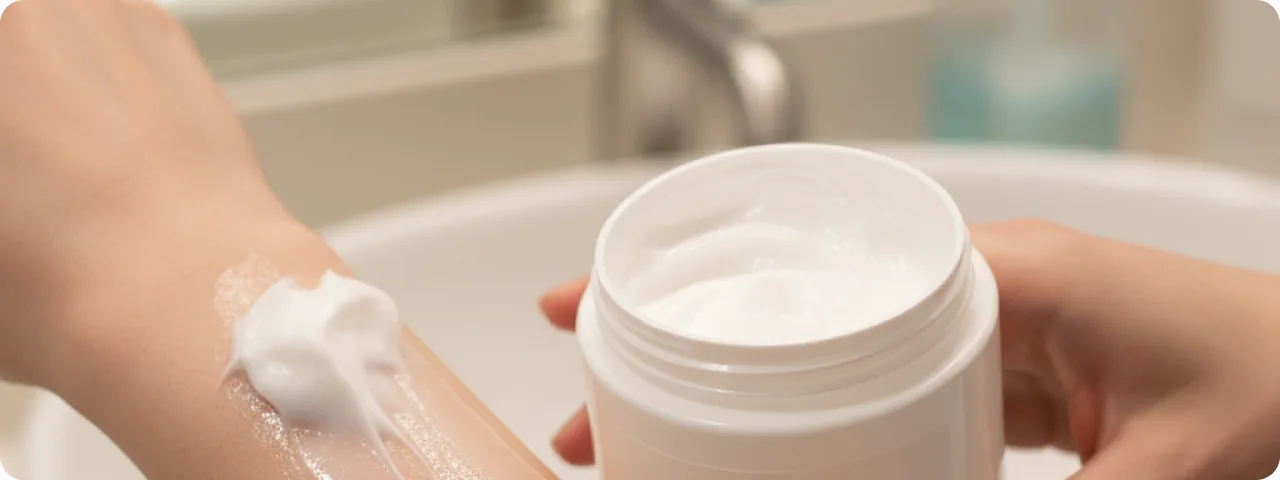
Sunburn is an acute inflammatory injury of the skin caused by excessive exposure to ultraviolet radiation (UVA and UVB). In a burn, cells of the epidermis are destroyed and an inflammatory response is activated with the release of prostaglandins and cytokines, causing redness, swelling and pain. In severe cases the deeper layers of the dermis are damaged, which leads to blistering. Full recovery of the skin after a first-degree burn takes 7 to 14 days, but restoring the protective barrier can take up to 4–6 weeks.
First aid for sunburn
The first 24 hours after sunburn are critical. The right steps during this period speed up recovery considerably:
- cool the skin immediately: move into the shade and apply a cool (not icy) compress to the affected area for 15–20 minutes. The water should be at 15–20°C. Ice or very cold water can cause further tissue damage and spasm of the vessels, which slows healing.
- hydrate from within: drink 500–750 ml of water during the first hour. Sunburn dehydrates the tissues, so increase your fluid intake to 2.5–3 litres a day for the first 3 days. Avoid alcohol and caffeine, which worsen dehydration of the skin and of the body as a whole.
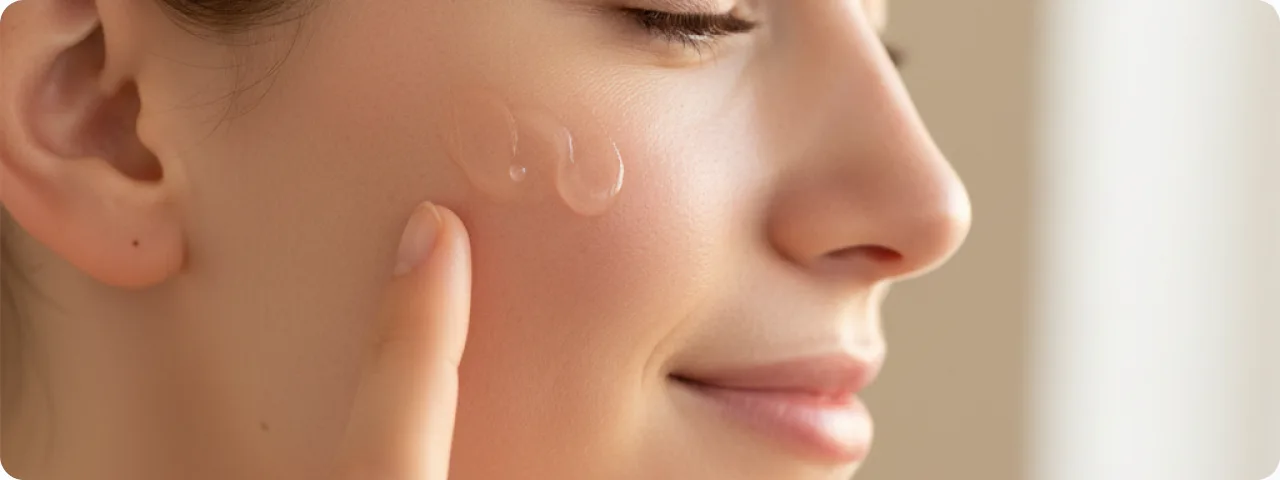
- soothing products: apply aloe vera gel (free of alcohol and dyes) or a product with panthenol (dexpanthenol 5%). Aloe reduces inflammation and stimulates regeneration, while panthenol speeds up repair of the epidermal barrier. Do not use oils, petroleum jelly or rich creams — they form a film that traps heat.
- pain relief if needed: for severe pain, ibuprofen (200–400 mg) can be taken, which reduces both inflammation and swelling. Taking it within the first 4–6 hours after the burn is most effective. Avoid aspirin in children and adolescents.
Step-by-step recovery of the skin
Recovery after sunburn goes through several phases. Days 1–3, active inflammation: the skin is red, hot and painful. During this period moisturise the skin as much as possible with light gels and lotions. Days 3–7, the peeling phase: the upper layer of damaged cells begins to shed. Never pull off peeling skin — it can leave scars and pigmented marks. Continue intensive moisturising. Days 7–14, regeneration: a new epidermis forms and the skin gradually returns to its normal colour. Use products with ceramides and niacinamide to repair the barrier. Weeks 3–6, full recovery: the protective barrier is restored, but the skin remains more sensitive to the sun for several months.
Products that help the skin recover
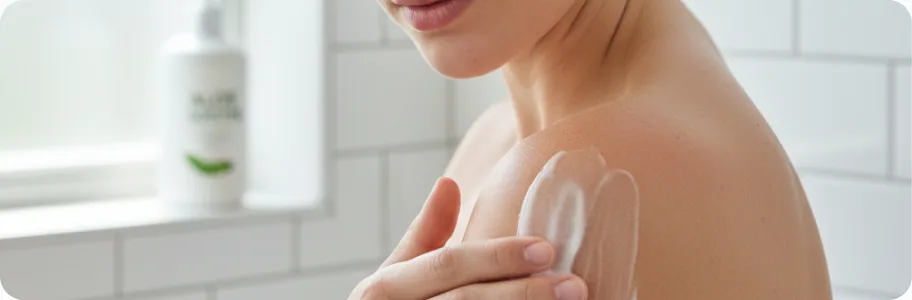
Effective recovery requires the right products. Panthenol (dexpanthenol 5%) is the gold standard for burns: it stimulates synthesis of barrier lipids and speeds up proliferation of keratinocytes. Aloe vera is a natural anti-inflammatory rich in polysaccharides and vitamins A, C and E. Hyaluronic acid provides deep hydration and holds water in the damaged epidermis. Niacinamide (vitamin B3) reduces redness, supports repair of the lipid barrier and lessens hyperpigmentation. Centella asiatica stimulates collagen synthesis and speeds up healing. Avoid retinoids, AHA/BHA acids and vitamin C for the first 10–14 days — they can increase irritation.
Daily care during recovery
Morning: cleanse carefully with a gentle sulphate-free gel (avoid flannels and sponges), apply a light moisturising lotion with aloe or panthenol, then sunscreen at SPF 50+ with mineral filters — essential, even in cloudy weather. Evening: cleanse gently with alcohol-free micellar water, apply a repairing cream or balm with ceramides and panthenol, and if needed dab a product with centella onto blistered areas. General rules: wear loose clothing made of natural fabrics, avoid the sun between 10:00 and 16:00, do not use a sauna, a chlorinated pool or a sunbed for at least 2 weeks after the burn, and sleep on clean cotton bedding.
When to see a doctor
See a doctor immediately if the burn covers more than 20% of the body surface, if large blisters (more than 5 cm) have appeared, or if there is severe headache, nausea, vomiting or a temperature above 38.5°C — these are signs of heatstroke. Medical care is also needed if the burn has not healed within 2 weeks, if signs of infection appear (purulent discharge, increasing pain, spreading redness), or if the person affected is a child under 1 year old.
Related reading
Did not find the answer to your question?
Every case is individual. If you have noticed changes in your skin, or have symptoms that concern you, book a consultation.